

Companies Can't Cut Peak Demand Charges with Rooftop Solar Alone
 Aug 14, 2026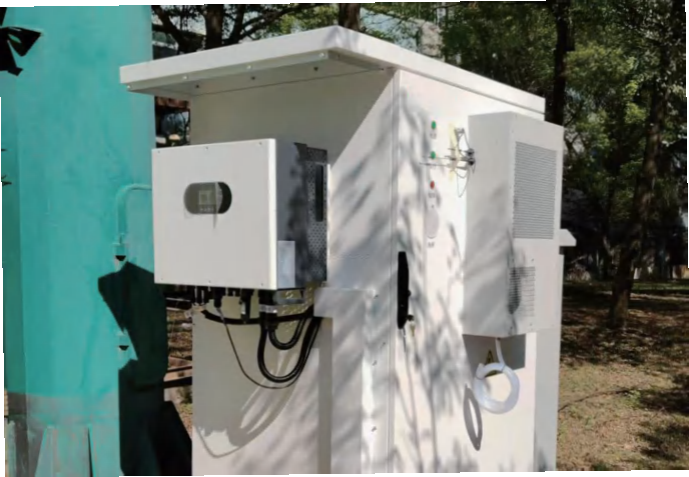
PROBLEM
The commercial park had rooftop solar, but the timing never matched. The panels generated the most power at midday, when the park's energy demand was lowest. By evening, when usage peaked and electricity rates were highest, the sun was down. Surplus daytime power was sold back to the grid at low rates, while the park still paid full peak prices after dark. Demand charges made the situation worse.
SOLUTION
We deployed a 232.75 kW solar system paired with 241 kWh of battery storage and smart controls. The system charges the battery when power is cheap or solar output is abundant, and discharges during peak hours to reduce grid purchases. Surplus energy is exported to the grid.
RESULT
Over the first three months, energy costs dropped by approximately 18%. The system generated 54,216 kWh of electricity, of which 42,496 kWh was consumed on site — a self‑consumption rate of 78%. The remaining 11,720 kWh was exported to the grid. Annual generation is estimated at 217,000 kWh, avoiding roughly 85 tons of CO₂ emissions per year.
BENEFIT
Solar alone generates power. Adding storage turns the system into a cost‑control tool. The park now benefits from higher self‑consumption, lower peak‑time purchases, and revenue from grid exports. The result is lower, more predictable energy costs and greater resilience during grid fluctuations — a model that applies to any campus, warehouse, or multi‑tenant building.